



How Leather Goods Are Made | From Hide to Wallet
Selecting the Right Leather
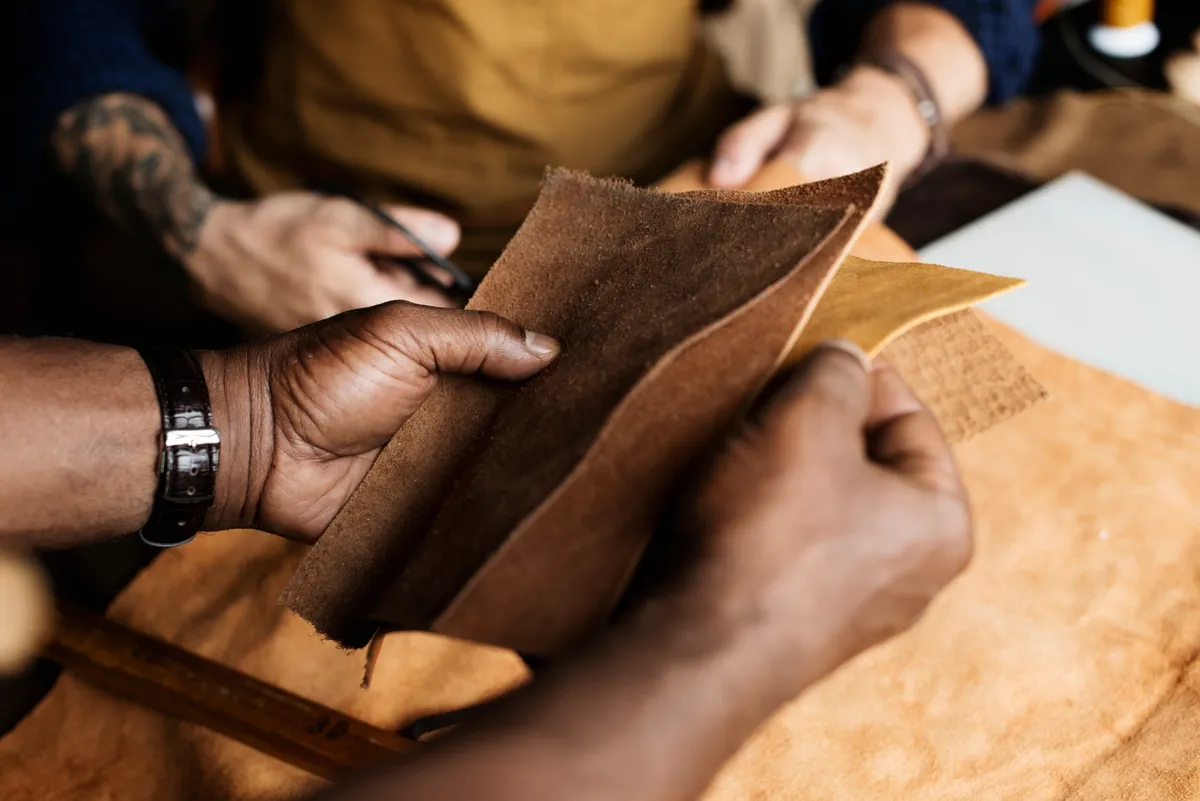
The process begins with choosing high-quality vegetable-tanned leather. The right section of the hide ensures durability and consistency.
“Quality means doing it right when no one is looking.”
– Henry Ford
Cutting and Shaping
Each piece is carefully cut according to the design. Precision at this stage is critical for a perfect final product.
Edge Finishing and Burnishing
Edges are smoothed and sealed through burnishing, improving both durability and aesthetics.
Stitching and Assembly
Hand-stitching provides superior strength and a refined look. This step brings the product together.
The Final Product
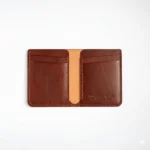
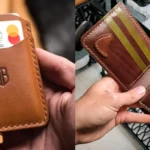
The result is a handcrafted item built with attention to detail at every stage—designed to last and improve with time.
CONCLUSION
The journey from raw hide to a finished leather wallet highlights the precision, skill, and dedication behind every handmade piece. Each step—from selecting premium leather to cutting, burnishing, and hand-stitching—plays a crucial role in creating a product that is both durable and refined.
Understanding this process reveals why handcrafted leather goods stand apart from mass production. They are built with intention, designed to last, and made to improve over time—offering lasting value to those who appreciate true craftsmanship and quality.
Understanding this process reveals why handcrafted leather goods stand apart from mass production. They are built with intention, designed to last, and made to improve over time—offering lasting value to those who appreciate true craftsmanship and quality.
